

In 2025, a digital marketing strategy is no longer a luxury, it’s a necessity for every travel agency striving for success. With 93% of travelers beginning their journey with an online search, agencies without a strong digital presence are at a severe disadvantage. The travel industry has shifted, and so have the methods of reaching potential clients. In today’s competitive landscape, digital marketing empowers travel agencies to stand out, attract the right audience, and convert leads into bookings. By utilizing proven techniques like SEO, targeted advertising, and content marketing, agencies can position themselves to effectively engage with modern travelers, build trust, and drive growth.
For travel agencies, a robust digital strategy means not just reaching more people but reaching the right people at the right time, on the right platform, with a tailored message. From leveraging search engine optimization (SEO) to crafting personalized experiences and tracking measurable results, digital marketing is crucial to staying competitive in the fast-evolving travel sector. By embracing these strategies, agencies can ensure they’re not just a part of the conversation but leading it, driving bookings, and gaining customer loyalty.
The Visibility Gap: Why Most Travel Advisors Are Invisible Online

Despite offering incredible services, many travel advisors remain invisible online. Common mistakes include:
- No blog content: Without a blog, your website lacks valuable content for Google to index. As a result, your agency misses out on potential organic traffic.
- No service pages: Travel agencies often fail to have dedicated service pages that provide clarity on the services they offer. This reduces the chance of appearing for specific search queries.
- No SEO fundamentals: Many websites lack on-page SEO essentials such as keyword optimization, meta descriptions, and structured data that would improve discoverability.
- No lead capture system: Without lead capture forms or clear calls-to-action (CTAs), your site misses opportunities to turn visitors into leads.
- DIY platforms with limitations: Many agencies use platforms like Fora, Cruise Planners, or Agent Studio, which limit customization, speed, and SEO performance.
Meanwhile, travelers are searching for services like:
- “Luxury honeymoon planner in Arizona”
- “Solo travel expert for Europe 2025”
- “Best safari group tours with personal guides”
If your website doesn’t appear for these types of searches, your agency simply doesn’t exist in the eyes of potential clients.
The Role of Digital Marketing in Travel Agencies
Digital marketing is much more than creating a social media account or setting up a basic website. A comprehensive digital marketing strategy for travel advisors involves the following key elements:
1. An SEO-Optimized, Mobile-Friendly Website
Your website is your digital storefront. It’s essential that your website is not only visually appealing but also optimized for search engines. This means:
- Mobile optimization: Google ranks mobile-optimized websites higher, especially with the increase in mobile browsing for travel bookings.
- SEO optimization: Incorporating relevant keywords, optimizing on-page SEO (titles, descriptions, headers), and using structured data to make your site easier for search engines to crawl.
2. Keyword Targeting Around Your Niche
In the travel industry, you can’t just target generic terms like “travel advisor.” Instead, focus on long-tail keywords tailored to your niche:
- “Luxury honeymoon planner in Arizona”
- “Solo travel expert for Europe 2025”
- “Best safari group tours with personal guide”
These targeted keywords ensure that your agency appears exactly when high-intent travelers are searching.
3. Lead Magnets and Automated Follow-Ups
The goal of your website isn’t just to look pretty; it’s to convert visitors into leads. Implement lead capture forms offering something of value, such as a free quote or consultation. Follow up with automated emails to nurture those leads and turn them into bookings.
4. Reviews, Trust Indicators, and Press Features
Social proof is crucial in the travel industry. Client testimonials, Google reviews, and features in local media build trust and credibility before potential customers even reach out to you. Make sure to prominently feature these on your website.
5. Consistent Content to Grow Authority
The most successful travel agencies consistently publish helpful, relevant content. A blog is the perfect tool to rank for long-tail keywords like:
- “Best family resorts in Costa Rica”
- “How to plan a multi-generational trip to Italy”
Regular content helps establish authority and answers the exact questions travelers are Googling.
Case Study: From Zero to 50K Impressions in 90 Days
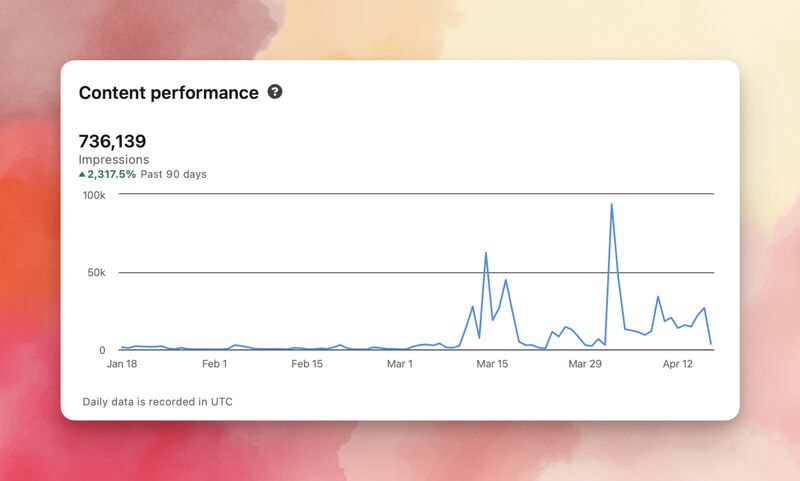
One of our clients—a new travel advisor with no prior online presence—went from zero visibility to 50,000+ organic impressions in just 90 days. The steps taken were:
- Created a simple, fast-loading website optimized for honeymoon travel.
- Developed targeted blog content around honeymoon destinations.
- Set up a Google Business Profile and optimized it with real-time reviews.
Results:
- 50,000+ impressions from Google searches
- 500+ targeted clicks to the website
- 12 inbound inquiries through Google (no paid ads involved)
This case clearly demonstrates the power of SEO and consistent digital strategy in growing online visibility and attracting new clients.